
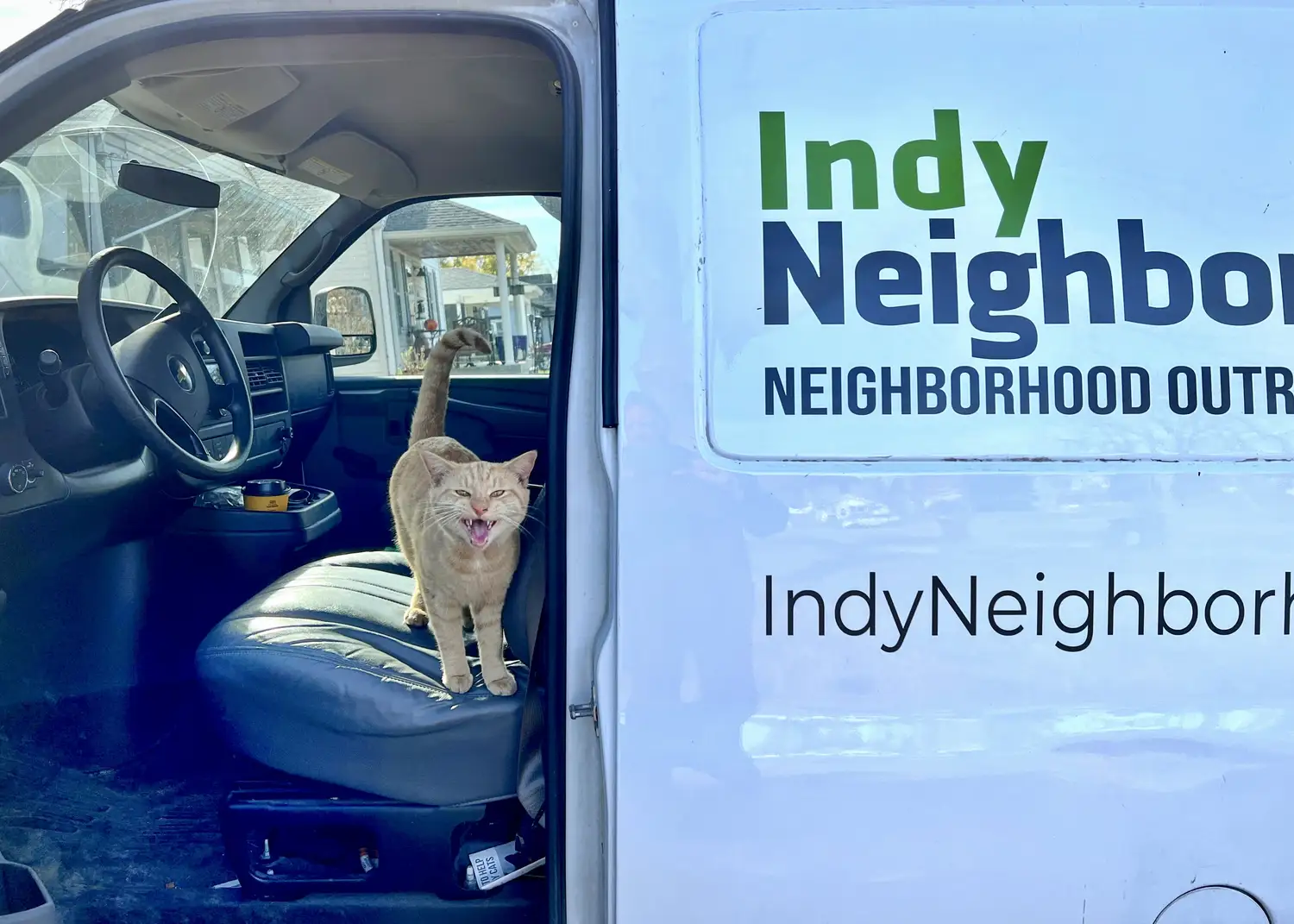
When Is Relocation Permitted?
Relocation is prohibited under Indianapolis ordinance except under two strict conditions requiring verified coordination:
Impending Demolition / Active Danger: Verified structural demolition of the property/habitat, or an unsafe area where people are actively abusing or harming cats.
Property Intolerance Requiring ACOs: Situations where the cats will not be tolerated on the property and Animal Control Officer (ACO) intervention is officially required.
Step-by-Step Transition Guide
1. Reach Out to Neighbors: Post on Nextdoor, local Facebook neighborhood groups, or community apps. Let neighbors know you are moving and want to find someone to take over feeding and monitoring.
Example Post: “I am moving and want to make sure the outdoor cats in our neighborhood continue to be fed, protected, and spayed/neutered. Is anyone willing to help?”
2. Connect with Like-Minded People: Meet interested neighbors in person to walk through the cats’ daily routines, feeding stations, shelter locations, and individual personalities.
3. Create a Colony Care Plan: Provide a written schedule covering feeding times, winter shelter spots, medical histories, and contact information for your veterinarian, local trappers, or resource partners.
4. Stay Involved During the Transition: Check in regularly as the replacement caregiver gets comfortable, and remain available to answer routine questions before you depart.
5. Need More Help? Contact INC: Indy Neighborhood Cats can assist with caregiver recruitment, guidance, volunteer training, and ongoing colony management support.
6. Still Can’t Find Help? Explore nearby properties where the cats can be safely fed by new volunteers. INC helps identify adjacent sites to keep cats as close to home as possible.
7. Address Safety Concerns: If cats face immediate harm, the territory is unsafe, or structure demolition is planned, contact Indianapolis Animal Care Services (IACS) to have Animal Control Officers assess the situation alongside INC.
8. Treat Relocation as an Absolute Last Resort: Relocation is only considered when all other options fail and must strictly meet municipal ordinance exceptions with formal IACS and INC coordination.
Quick Links
Indianapolis Animal Care Services
- 317.327.1429
- www.indy.gov/acs
- Report Animal Cruelty or Abuse
Request Indy
Indy Neighborhood Cats
- 317.386.6916
- info@indyneighborhoodcats.org
- Request Assistance
- Relocation Tips